
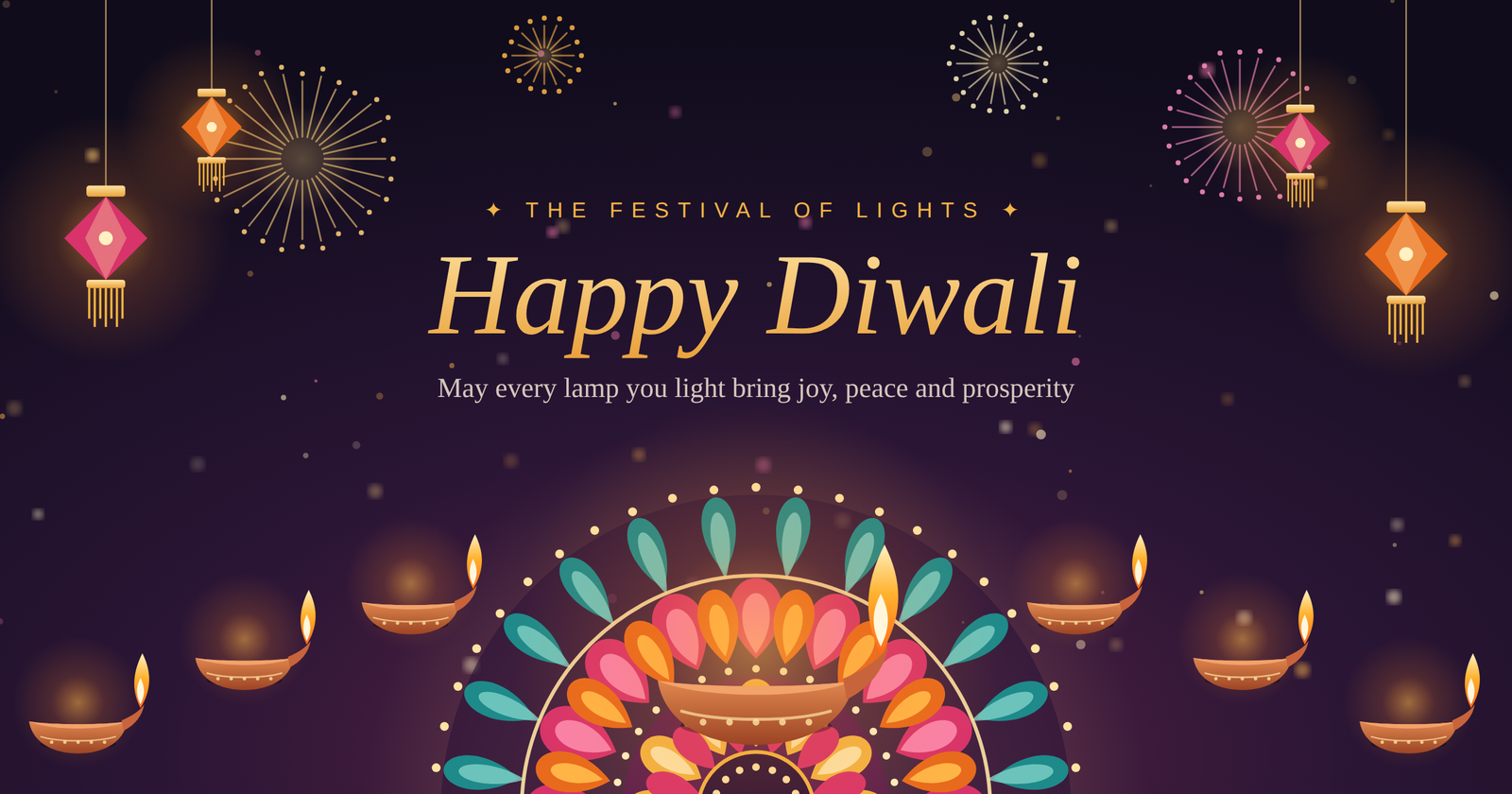

Diwali falls on Sunday, November 8, 2026, with the wider five-day festival running from Dhanteras a couple of days before to Bhai Dooj a couple of days after. If you want to see it at its best, head to Ayodhya or Varanasi for riverside lamps, Jaipur or Udaipur for lit-up palaces and bazaars, Amritsar for the Golden Temple, or Kolkata for Kali Puja. Goa, Gujarat, Mumbai and Tamil Nadu each add their own twist too.
The catch? Everyone else has the same idea. Below is a practical look at each destination: what makes it special, where to stand, and what to plan for so the trip feels festive rather than frantic.
Why Diwali Is a Great Time to Travel in India
Diwali is not one event. It changes from region to region. In the north it marks Lord Rama’s return to Ayodhya. In the east, many families worship Goddess Kali on the same night. In the south, Deepavali celebrates Lord Krishna’s victory over the demon Narakasura, and the big day often starts before sunrise. For Sikhs it coincides with Bandi Chhor Divas, and for Jains it marks Lord Mahavira’s attainment of moksha.
That variety is the real reason to travel. The same festival looks, sounds and even tastes different depending on where you spend it.
The weather helps as well. Early November is post-monsoon across most of the country, so days are pleasant and evenings are cool in the north and west.
1. Ayodhya, Uttar Pradesh
If there is one place tied most closely to the Diwali story, it is Ayodhya. According to the Ramayana, the people of Ayodhya lit rows of lamps to welcome Rama home after 14 years of exile. The city leans into that history in a big way.
The highlight is Deepotsav, held on the eve of Diwali along the ghats of the Saryu River. The state government organizes it, and in recent years it has involved lakhs of earthen diyas lit at once, along with laser shows, cultural performances and processions. The event has set Guinness World Records for the number of lamps lit, and the scale is hard to describe until you see it.
Good to know:
- Crowds are heavy, and security zones restrict movement near Ram ki Paidi on the main night. Arrive early.
- Hotel options inside Ayodhya are limited. Many visitors stay in Lucknow (about a 2.5-hour drive) or Faizabad.
- The Ram Mandir draws long queues during festival week. Check official timings before you go.
2. Varanasi, Uttar Pradesh
Varanasi gives you two festivals for the price of one trip. Diwali itself is lively, with markets packed and homes glowing. But the city’s signature celebration comes about two weeks later on Kartik Purnima: Dev Deepawali, when the ghats along the Ganga are lined with diyas and the evening Ganga Aarti becomes even grander than usual.
If your dates are flexible, consider staying through to Dev Deepawali or planning a separate trip for it. Many travelers say it is the more memorable of the two.
Tips for Varanasi:
- Book a boat well in advance for the evening. The view of the lit ghats from the river is the one most people come for.
- Dashashwamedh Ghat is the most crowded. Assi Ghat and the quieter stretches in between can be more comfortable.
- Walk. The old city’s lanes are too narrow for cars, and autos get stuck in festival traffic.
3. Jaipur, Rajasthan
Jaipur might be the most photogenic Diwali city in India. Its major markets, including Johari Bazaar, Bapu Bazaar and the stretch around MI Road, are decorated with lights, and traders often compete for the best display. The pink facades of the old city look especially striking at night.
For a wider view, drive up to Nahargarh Fort at sunset. From there you can watch the whole city light up below you, with fireworks going off across the skyline after dark.
Jaipur is also a smart pick if you want to combine festive sightseeing with daytime heritage visits. Amber Fort, City Palace and Hawa Mahal are all open (except on specific holiday closures, so check ahead), and the November weather is comfortable for walking.
4. Udaipur, Rajasthan
Udaipur is the calmer, more romantic alternative to Jaipur. The City Palace and the havelis around Lake Pichola are lit up, and the reflections on the water make evening boat rides feel almost unreal.
It suits couples and anyone who wants festive atmosphere without the full intensity of a big-city crowd. Book a rooftop restaurant with a lake view for Diwali night, and do it early. The good ones fill up weeks ahead.
5. Amritsar, Punjab
In Amritsar, Diwali and Bandi Chhor Divas are celebrated together. The Sikh festival marks the release of Guru Hargobind Sahib from imprisonment in Gwalior Fort, and the Golden Temple (Sri Harmandir Sahib) is the center of it all.
On the night, the temple complex glows with lamps and lights reflected in the sarovar (holy pool), and there is usually a fireworks display. The langar, the community kitchen that serves free meals to everyone, keeps running through the festivities.
What to keep in mind:
- Cover your head and remove your shoes before entering. Scarves are available at the entrance.
- Expect very large crowds. Going in early evening, before the peak, makes it easier to find a spot by the water.
- Stay in the old city if you can, so you can walk to the temple.
6. Kolkata, West Bengal
In Kolkata, Diwali night is also Kali Puja, and it has a completely different feel from celebrations in the north. Instead of Lakshmi, many households and neighborhood clubs worship Goddess Kali, often with elaborate pandals similar to those seen during Durga Puja a few weeks earlier.
Pandal-hopping at night is the way to experience it. Kalighat Temple and Dakshineswar Temple are the main religious centers and draw large numbers of devotees.
Kolkata is a good choice if you have already seen a “classic” Diwali and want something with a different energy. The street food alone makes the trip worthwhile.
7. Goa
Goa is not the first place people think of for Diwali, but it has one of the most distinctive traditions in the country. On Naraka Chaturdashi, the night before the main Diwali day, neighborhoods build large effigies of the demon Narakasura. Many are competitive, with local groups judged on design. They are paraded through the streets and burned before dawn.
It is loud, creative and a lot of fun to watch. And since November is the start of Goa’s tourist season, you get beaches and pleasant weather along with the festival.
Head to areas around Panaji, Margao and Mapusa for the effigy action. It runs late, so plan to be out after midnight.
8. Mumbai, Maharashtra
Mumbai does Diwali at full scale. Homes and housing societies hang akash kandils (paper lanterns), rangoli fills doorways, and markets such as Crawford Market and Dadar overflow with sweets, lights and gifts in the days before the festival.
Marine Drive is a popular spot to watch fireworks over the sea. The city also has a strong food culture around Diwali, with faral (a spread of festive snacks such as chakli, karanji and chivda) shared between families.
One tip: traffic in the week before Diwali can be severe. Use the local trains or metro where you can.
9. Gujarat (Ahmedabad and Surrounds)
Gujarat celebrates the day after Diwali as Bestu Varas, the Gujarati New Year, so the festive mood stretches well beyond Diwali night. People visit temples, exchange greetings and sweets, and many businesses begin new account books.
Ahmedabad’s old city pols (traditional housing clusters) are a great place to see rangoli and lamps at a neighborhood level. If you are traveling with family, this region offers a warm, community-focused version of the festival.
10. Tamil Nadu (Chennai and Madurai)
In Tamil Nadu, Deepavali starts early. Families wake before dawn for a ritual oil bath, wear new clothes, burst crackers and share sweets, all before breakfast. It is typically celebrated on Naraka Chaturdashi, so the date can differ from the North Indian main day. Check the local calendar before you book.
Chennai’s T. Nagar is the shopping hub in the weeks leading up to the festival, and Madurai’s Meenakshi Amman Temple is worth visiting for its atmosphere during the season.
Quick Comparison: Which Place Suits You?
| Destination | Best for | Crowd level | Key moment |
|---|---|---|---|
| Ayodhya | Spectacle, religious significance | Very high | Deepotsav on Saryu ghats |
| Varanasi | Spiritual atmosphere, photography | High | Dev Deepawali (two weeks later) |
| Jaipur | Markets, heritage, lights | High | Lit bazaars, Nahargarh view |
| Udaipur | Couples, calmer vibe | Moderate | Lake Pichola at night |
| Amritsar | Spiritual, community | Very high | Golden Temple on Bandi Chhor Divas |
| Kolkata | A different Diwali, food | High | Kali Puja pandals |
| Goa | Unique traditions, beach break | Moderate | Narakasura effigy night |
| Mumbai | City festivities, food | High | Lanterns, Marine Drive |
| Gujarat | Family travel, New Year | Moderate | Bestu Varas |
| Tamil Nadu | Morning rituals, temples | Moderate | Pre-dawn Deepavali |
Practical Tips for Traveling During Diwali
A Diwali trip rewards planning. Here is what tends to catch people off guard.
Book trains and flights early. Diwali is one of the busiest travel periods of the year, as millions head home. Indian Railways reservations open ahead of travel dates, and festival trains sell out fast. Flight fares on popular routes typically climb as the date gets closer.
Expect some closures. Many shops, restaurants and offices close on Diwali day itself and sometimes the day after. Museums and monuments may have altered hours. Keep a backup plan for meals.
Check the air quality. In Delhi and parts of the north, air quality often worsens around Diwali due to firecrackers, weather conditions and seasonal crop burning. If you have asthma or other respiratory issues, check AQI forecasts, carry a good mask, or favor destinations in the south and west.
Respect local customs. Dress modestly at temples and gurdwaras, ask before photographing people during rituals, and remove footwear where required.
Stay central. Getting around during peak festival hours can be slow. Choose accommodation within walking distance of where you want to be on the main night.
Carry some cash. Small vendors and temple-side stalls may not accept cards, and ATMs in busy areas can run out during holidays.
Frequently Asked Questions
When is Diwali in 2026?
A. The main day of Diwali (Lakshmi Puja) falls on Sunday, November 8, 2026. The five-day festival begins with Dhanteras a couple of days earlier and ends with Bhai Dooj a couple of days later. Some regions, especially in the south, observe the main celebration on a different day.
Which is the best place to celebrate Diwali in India?
A. It depends on what you want. Ayodhya and Varanasi are best for scale and spiritual significance, Jaipur and Udaipur for lit-up heritage cities, and Amritsar for the Golden Temple. For something less expected, Goa and Kolkata offer very different traditions.
Is it a good idea to travel in India during Diwali?
A. Yes, if you plan ahead. The atmosphere is special and the weather is usually pleasant. Just be ready for crowds, higher prices and some closures on the main day.
How far in advance should I book a Diwali trip?
A. Aim for two to three months ahead for trains, flights and hotels in popular destinations. For Ayodhya, Varanasi and Udaipur, where good rooms are limited, earlier is better.
Is Diwali safe for foreign tourists?
A. Generally, yes. Stay aware in large crowds, keep valuables secure, and keep a safe distance from firecrackers. Traveling with a local guide or joining an organized evening tour can make busy nights easier to navigate.
Key Takeaways
- Diwali 2026 falls on November 8, with celebrations spread across five days.
- Ayodhya, Varanasi, Jaipur, Udaipur and Amritsar are the classic picks for lights and ceremony.
- Kolkata, Goa, Gujarat and Tamil Nadu show how differently the festival is celebrated across India.
- Book transport and stays early, plan for closures, and check air quality if you are heading north.
Wherever you choose, give yourself at least one evening with no plans beyond walking around and watching the city light up. That is usually the moment people remember most.